
The Shift to High-Liability Inspection Software: Why Standard Reporting is Failing Engineers and Surveyors
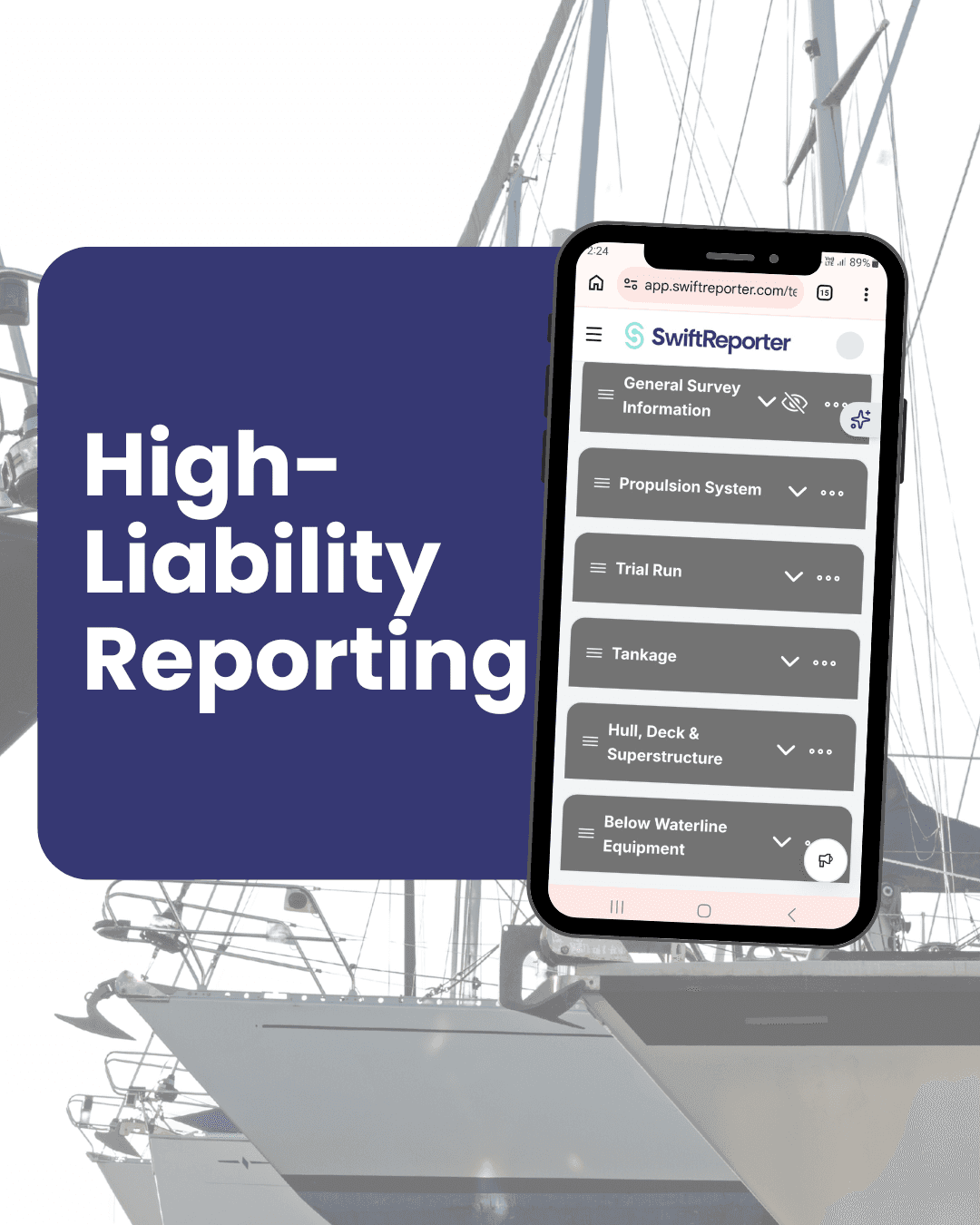
Answer Summary: In high-stakes environments like structural engineering, insurance claims, and marine surveying, standard inspection reporting is no longer sufficient. High-liability inspection software replaces legacy workflows (like manual field notes and Word documents) with real-time, field-to-finish engines. These platforms utilize video evidence, AI technical summarization, and zero double-handling to create an unassailable liability shield for professional consulting firms.
The Growing Demands on High-Stakes Professionals
For years, the inspection industry has relied on standard reporting methods: taking photos on a phone, scribbling notes on a clipboard, and spending hours at a desk formatting it all into a PDF.
If you are doing a routine residential walkthrough, that workflow is frustrating, but manageable.
But if you are a structural engineer assessing cyclone damage for an insurance claim, or a marine surveyor evaluating a commercial vessel, standard reporting creates two massive bottlenecks:
- Inefficiency: Double-handling data destroys your hourly rate and limits the number of jobs your firm can take.
- Liability: Static photos and typed notes are increasingly difficult to defend when a million-dollar asset goes to litigation.
Clients, insurers, and legal teams are demanding a higher standard of evidence. The industry is shifting.
Standard Reporting vs. High-Liability Reporting
| Workflow Element | Standard Reporting Methods | High-Liability Engines (SwiftReporter) |
|---|---|---|
| Data Capture | Manual notes, separate camera, disjointed files. | Consolidated in-field capture directly into the final report structure. |
| Evidence Quality | Static, low-resolution photos. | Deep Video Integration to capture active leaks, grinding bearings, and movement. |
| The "Double-Handling" Tax | High. Hours spent formatting PDFs back at the office. | Zero. The report is formatted dynamically while you are on site. |
| Best Suited For | Low-risk residential jobs and routine checklists. | Structural engineering, marine surveys, and high-stakes commercial risk. |
| Defensibility | Moderate. Open to interpretation and pushback. | Unassailable. Backed by comprehensive media and immediate field generation. |
3 Ways Elite Firms are Protecting Themselves in 2026
1. Adopting Video Evidence over Static Imagery
A photo of a cracked hull or a shifted foundation tells part of the story. A video showing the active ingress of water or the structural movement under load tells the entire story. Elite firms are moving toward software that seamlessly integrates video directly into the final client deliverable, providing undeniable proof of the asset's condition.
2. Eliminating the "Double-Handling" Tax
The most dangerous time for data is the gap between the field inspection and the desk write-up. Details get forgotten. Context gets lost. By utilizing software that compiles the report in real-time as the inspection happens, engineers ensure 100% accuracy while reclaiming their evenings.
3. Leveraging AI as a Technical Co-Pilot
High-liability software doesn't just store data; it helps process it. By using specialized AI to summarize technical defects and standardize language, firms ensure that every report leaving their office maintains a strict, professional, and legally defensible tone.
Upgrade Your Workflow. Protect Your Firm.
Your expertise is in the field—analyzing structural movement, assessing complex machinery, and protecting your clients' investments. Your software should act as a high-performance engine that supports that expertise, not a basic form that creates extra work.
[**Start building your liability shield with SwiftReporter today
**](https://app.swiftreporter.com/signup)
By Evan Sutter, Co-Founder, SwiftReporter Software